
Building a Digital Workplace Culture: Best Practices for a Remote-first Company
 Regina Ongkiko
Unlike hybrid or remote optional models, fully remote workplace models treat virtual collaboration as the default—requiring intentional design in how teams communicate, lead, and deliver outcomes. If done properly, this approach brings clear advantages: lower operational costs, access to global talent, and greater employee autonomy.
It also reflects broader societal shifts towards flexibility, work-life balance, and trust-based work models. When done right, remote-first is a blueprint for modern, scalable, and inclusive collaboration.
Why company culture matters in a distributed workforce

In a remote-first setup, workplace culture is built through intentional practices that foster connecting trust and shared purpose across distance.
Employee data can be used to enhance the remote employee experience by strategizing and measuring the effectiveness of initiatives aimed at improving collaboration and communication among teams.
Without the cues of a physical environment, culture must be designed to support performance, cohesion, and well-being at scale—despite employees being spread out over multiple locations.
It impacts engagement and retention of remote employees
A strong workplace culture gives employees a sense of belonging and clarity, helping them stay engaged and aligned with company goals. Digital workplaces create a wider array of job opportunities, particularly remote and flexible positions. Company culture drives loyalty and performance by reinforcing shared values and fostering inclusion even when teams are physically apart.
Without this foundation, distributed teams are more vulnerable to isolation and burnout. So a healthy workplace culture helps prevent this through regular touch points, open communication norms, and support for mental health and work-life balance.
It promotes cohesion across time zones
Remote-first organizations often span continents, cultures and time zones. With the use of collaboration tools, remote workers are able to be more productive in facilitating communication within remote and hybrid work environments. This diversity is a strength—but only when there’s a cohesive workplace culture to unify it.
Culture must be reinforced from onboarding to daily workflow, with inclusive rituals and scalable systems that promote alignment across geographies.
It builds trust without physical oversight
A distributed model requires moving away from a “desk-time” mindset and towards a culture built on trust and outcomes. In a healthy remote-first workplace culture, clear expectations are set, and performance is measured by results, not presence.
Digital tools like project dashboards, async check-ins, and transparent goal tracking promote accountability while empowering employees to manage their time and workload autonomously. Trust becomes a core pillar of culture, and not just a byproduct.
4 core elements of a strong remote-first culture

The following elements form the foundation of a digital workplace culture that empowers distributed teams to collaborate, innovate, and grow together.
1. Transparent communication
Clear and consistent communication is the backbone of any successful remote-first environment. Virtual meetings play a crucial role in maintaining visibility and communication across teams. Balancing synchronous and asynchronous updates ensures that team members stay informed without staying glued to a screen across time zones.
Equally important is maintaining document processes and a well-defined “single source of truth” where everyone can access the latest information, be it project updates, policy guidelines, or performance expectations.
2. Employee autonomy and ownership
A remote-first workplace culture thrives when employees are empowered to take ownership of their work. That starts with setting clear goals and expectations, so team members know where they’re headed and how success is measured.
Encouraging self-management and independent decision-making helps foster accountability and agility, while also signaling trust—a critical currency in any distributed setup. This approach enables employees to manage their work independently, promoting a culture of flexibility and autonomy.
3. Shared vision and values
In a remote environment, values can’t live in posters on a wall, they must be embedded in the day-to-day. Knowledge sharing is crucial in fostering a collaborative culture within digital workplaces. A clearly defined culture playbook, accessible to all employees, helps translate company values into actionable behaviors.
But culture doesn’t stop at documentation, Leaders should actively reinforce values through storytelling, recognition, and consistent messaging to keep them relevant and lived across teams.
4. Inclusivity and diversity
Building a globally distributed team requires a conscious approach to inclusivity and equitable participation. It is crucial to manage diverse teams within distributed work environments to enhance collaboration and communication among globally dispersed teams. That means creating systems where every voice is heard, regardless of locations, time zones, or native language.
Companies must also address cultural biases that can creep into decisions, communication styles, or leadership practices. A remote-first workplace culture should actively embrace diversity while ensuring that structures and language remain inclusive for all.
Strategies for building and sustaining remote culture
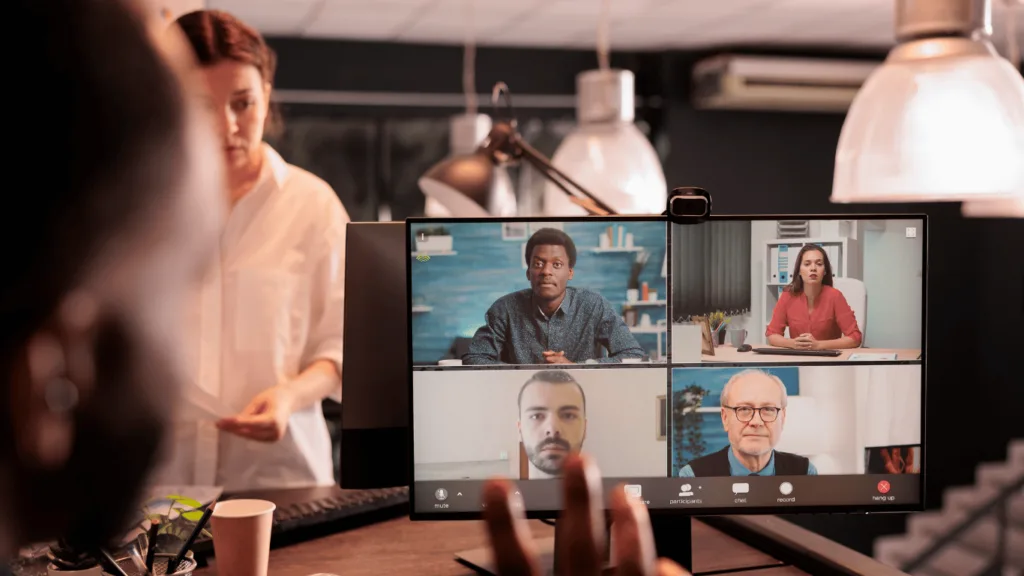
The following strategies offer a practical roadmap, complete with a real-world scenario to best illustrate each one. Enhancing the experience of remote employees through effective onboarding, wellness initiatives, and fostering a strong remote work culture is crucial.
1. Conduct effective onboarding and integration
A remote-first culture starts on day one. Providing development opportunities is crucial for employee engagement and retention, as employees seek learning and growth prospects that align with their career goals. Structured virtual onboarding programs, welcome sessions, and buddy systems help new hires connect with both people and processes from the start.
Scenario:
When a new software engineer joins a global fintech company, they’re invited to a virtual welcome call with their department, assigned a “culture buddy” from another time zone, and provided with a digital onboarding hub that outlines the company’s mission, values, and workplace norms. This helps them quickly align with the broader workplace culture while feeling personally supported.
2. Establish leadership in a distributed workforce
Leaders play a critical role in shaping and sustaining remote culture. Tools that facilitate effective management of distributed workforces are essential to manage remote teams. A servant leadership approach, focused on enabling team success, can drive engagement and accountability without micromanagement.
Scenario:
A product lead in a fully distributed company hosts weekly “office hours” via Zoom for open conversation. They also share transparent team updates every Friday, modeling the open, consistent communication expected across the organization. This cultivates a culture of trust, responsiveness and accessibility, hallmarks of a strong workplace culture.
3. Set up daily and weekly rituals
Rituals provide rhythm and familiarity in distributed settings. Whether it’s daily stand-ups, weekly team coffee chats, or async status updates, these routines reinforce team connection and collaboration. These rituals are especially important for enhancing team collaboration among virtual teams.
Scenario:
A design team starts each day with a brief video stand-up, followed by a weekly “design lounge” on Fridays where they casually review work and chat over coffee. These touchpoints create a virtual sense of presence, strengthening the informal side of workplace culture that’s often lost without a physical office.
4. Encourage the use of recognition and rewards
In a remote environment, celebrating wins needs to be intentional. Public recognition, through digital shout-outs, company-wide Slack channels, or internal newsletters, helps team members feel seen and appreciated.
Scenario:
A marketing manager from Argentina hits a major campaign milestone. Their achievement is highlighted in a global all-hands meeting, followed by a custom e-card signed by the team and a digital gift card tailored to their region. Thoughtful, public recognition like this fosters pride and reinforces a values-driven workplace culture.
5. Build connections beyond work
Without hallways, watercooler chats, or team lunches, companies must intentionally create opportunities for social bonding in a remote setting. Virtual team-building activities, skill-sharing sessions, and optional retreats (where feasible) deepen trust and human connection.
Scenario:
A remote-first agency hosts monthly virtual “culture clubs” where employees take turns leading 30-minute sessions on a hobby or interest, ranging from cooking tutorials to photography tips. These casual touchpoints help employees connect beyond work roles, enriching the overall workplace culture and reducing feelings of isolation.
Tools and technologies to empower remote collaboration
Collaborative tools play a crucial role in enhancing efficiency and enabling effective virtual teamwork. But simply having tools in place isn’t enough. How they’re used, integrated and aligned with your workplace culture makes all the difference. Below are categories of tools that empower remote teams to stay connected, productive, and aligned.
Communication platforms
Clear, real-time communication is essential in a distributed setup. Instant messaging plays a crucial role in facilitating real-time interaction and teamwork. These platforms support day-to-day interactions and maintain visibility across teams by providing group chats, video conferencing, and direct managing:
Pro tip: Encourage these practices to establish a healthy communication culture:
- Channel naming conventions
- Response time expectations
- Emojis and reactions to reduce message noise and humanize communication
Project management and task tracking
Centralized task tracking helps remote teams manage workloads, set priorities, and stay accountable without micromanagement. Automation tools can streamline repetitive tasks, including data entry, thereby enhancing overall productivity. Here are some platforms to consider for managing boards, tasks, deadlines, and progress deadlines:
Pro tip: Leverage built-in automation to:
- Assign recurring tasks
- Send deadline reminders
- Update status columns based on rules
Digital brainstorming and whiteboards
Collaboration doesn’t need to suffer just because teams aren’t in the same room. Virtual collaboration tools are essential in enhancing productivity and engagement, allowing teams to manage projects efficiently and adapt to individual collaboration styles. These tool support idea brainstorming, design thinking, and problem-solving in a virtual space:
Pro tip: Consider these best practices for remote design sprints:
- Time-boxed sessions with clear goals
- Design sprints with facilitators and notetakers
- Shared templates to streamline collaboration
Security and compliance
A remote-first model encourages the need for robust security practices. It is crucial to implement data protection policies to safeguard employee data. Consider the following practices to ensure data integrity and privacy as it’s critical to maintaining trust across your distributed workforce:
- VPNs
- Secure file-sharing
- Data protection policies
Pro tip: You can support the adoption of robust security and compliance through:
- Regular employee training on phishing and secure access
- Clear documentation on privacy and compliance protocols
Performance analytics
Culture can’t thrive without visibility into how people are doing. Tracking employee productivity and engagement is crucial to support employees and foster a culture of trust and agility. Performance data helps leaders make informed decisions around workload, engagement, and morale. Consider the following strategies to allow leadership to proactively nurture a healthy, scalable workplace culture:
- KPIs
- Dashboards
- Pulse surveys
Pro tip: Leverage insights to:
- Track productivity and burnout risk
- Adjust communication cadences
- Shape recognition and support programs
Time zone and cultural differences: Turning challenges into strengths
One of the greatest opportunities, and challenges, of a remote-first model is navigating time zone gaps and cultural diversity. The importance of technology in facilitating communication and collaboration within distributed workforces cannot be overstated. When managed well, these differences can enrich your workplace culture, foster empathy, and fuel innovation across borders.
Balancing schedules and “core hours”
Coordinating across time zones flexibility and mutual respect. While full overlap isn’t always possible, minimal alignment and clear norms help maintain productivity.
Strategies to consider:
- Define “core collaboration hours” that work for most time zones
- Record key meetings and share summaries for those who can;t attend live
- Use scheduling tools that display multiple time zones
- Rely on async tools (project boards, recorded Loom videos) for updates
Pro tip: Respect personal boundaries by avoiding last-minute meetings outside working hours. Prevent an “always-on” culture by encouraging team members to set clear offline times.
Cultural sensitivity and language
A remote-first workplace culture should celebrate diversity while also navigating the challenges it brings, especially in communication. Anonymous feedback is crucial in fostering an environment where distributed workers feel safe to express their thoughts on sensitive topics.
Strategies to consider:
- Train teams on cultural norms that affect tone, feedback, and collaboration styles
- Use inclusive language that avoids idioms or region-specific jargon
- Encourage clarity in written communications (bullet points, summaries)
Pro tip: Support employees who speak English as a second or third language with language learning stipend or multilingual onboarding materials. This increases participation and confidence across global teams.
Reducing meeting fatigue
Meetings can quickly become counterproductive in distributed teams if they’re not intentional. Optimizing virtual meetings for clarity and purpose creates space for deep work and thoughtful collaboration.
Strategies to consider:
- Require agendas and objectives for all meetings
- Set default durations to 25 or 50 minutes to avoid back-to-back burnout
- Empower employees to decline or propose async alternatives when meetings aren’t essential
Pro tip: Leverage asynchronous tools, like shared docs, Loom updates, or task comments, to reduce the need for real-time calls while still maintaining momentum.
Holiday and tradition awareness
Embracing local holidays and traditions adds depth and respect to your workplace culture.
Strategies to consider:
- Build and share a global calendar of regional holidays and observances
- Avoid scheduling key meetings during significant cultural or religious dates
- Celebrate diverse holidays company-wide to foster inclusion
Pro tip: Encourage team members to share stories about their traditions, fostering mutual understanding and appreciation across time zones and backgrounds.
Overcoming common pitfalls and measuring success
Even the most thoughtfully-designed remote-first strategies can face challenges. Organizations can build a resilient and thriving workplace by proactively addressing common pitfalls and embedding mechanisms to track progress.
Remote work can blur the boundaries between professional and personal life, often leading to overwork, disconnection, or emotional fatigue. It is crucial to address the unique dynamics of a remote setting to cultivate a supportive remote-first work culture.
Strategies to consider:
- Implement and regularly communicate mental health resources
- Set clear break policies and encourage time-off without guilt
- Create virtual “buddy systems” or peer mentorship programs to build connection
- Host informal check-ins or “no agenda” social to strengthen relationships
Preventing micromanagement
In distributed teams, it can be tempting for managers to overcompensate for the lack of physical oversight. However, micromanagement erodes trust and stifles autonomy. Structured approaches and tools are essential to effectively manage distributed and virtual teams, enhancing collaboration, productivity, and employee engagement.
Strategies to consider:
- Shift performance focus to outcomes, deliverables, and impact—not screen time
- Provide training for managers on remote leadership, trust-building, and respectful feedback
- Use project tracking tools to support transparency without constant check-ins
Key metrics for a healthy remote culture
You can’t improve what you can measure. Tracking cultural health helps companies evolve their approach and course-correct before issues grow. Tracking employee productivity and engagement is crucial to support employees and foster a culture of trust and agility.
Metrics to monitor:
- Employee engagement scores from regular surveys
- Retention rates across departments and geographies
- eNPS (employee Net Promoter Score) to gauge sentiment and loyalty
- Onboarding success and time-to-productivity for new hires
- Participation rates in cultural or wellness programs
Escalation and conflict resolution
Disagreements and misunderstandings are natural, even in well-functional teams. Effective collaboration is crucial to resolving conflicts and ensuring team members can collaborate effectively. What matters is having clear, fair ways to address them.
Strategies to consider:
- Establish documented channels for escalating concerns or conflicts
- Offer cultural sensitivity training to help teams navigate differences in tone, timing, and communication norms
- Ensure you train HR or team leads to mediate interpersonal and cross-cultural issues effectively
- Mediating cultural or communication-based conflicts
Build your remote-first workforce model right for a robust company culture

For remote-first models, it’s time to rethink how teams connect, collaborate, and thrive from anywhere. A digital workplace is significant for enhancing business operations, improving employee engagement, and driving competitive advantages.
Overall, you must embrace flexibility, trust, and open communication as foundational values. Recognize that remote-first culture is never static and that it evolves with every new hire, process, and market. Most importantly, make culture-building a shared responsibility, supported by intentional design and everyday actions.
Reach out to LTVplus to get a kickstart on building a company culture designed to help your remote workforce succeed.
Related Posts

How to Build an Internal MSP Security Operations Function
Learn how to build MSP security operations without a full SOC. Discover roles, tools, costs, and a step-by-step roadmap to add profitable se

The True Cost of an In-House MSP Technician vs. a Managed Specialist
Understand true MSP hiring cost, from salary to hidden overhead. Compare in-house vs outsourcing with real numbers to choose the most cost-e

Top 3 MSP PSA Tools & RMM Tools for Your Tech Stack: ConnectWise, Datto, and Kaseya
Discover how MSP PSA tools work with RMM to streamline ticketing, billing, and SLAs. Learn to select platforms, align workflows, and train t

How to Onboard an MSP Remote Team in 30 Days
Onboard an MSP remote team in 30 days with a week-by-week framework. Learn how to align tools, SOPs, SLAs, and QA so remote engineers reach